
🎁 Nhập mã www.anphufarm.com để được giảm 10%!
The manga My Hero Academia has undeniably become a global sensation, captivating millions with its compelling characters, intricate worldbuilding, and thought-provoking themes. As a quintessential example of contemporary manga, sinbet has established itself not just as a source of entertainment but as a cultural phenomenon influencing fans and creators worldwide. Its blend of superhero action, emotional storytelling, and societal commentary resonates deeply with diverse audiences, solidifying its position as a defining series of the modern era.
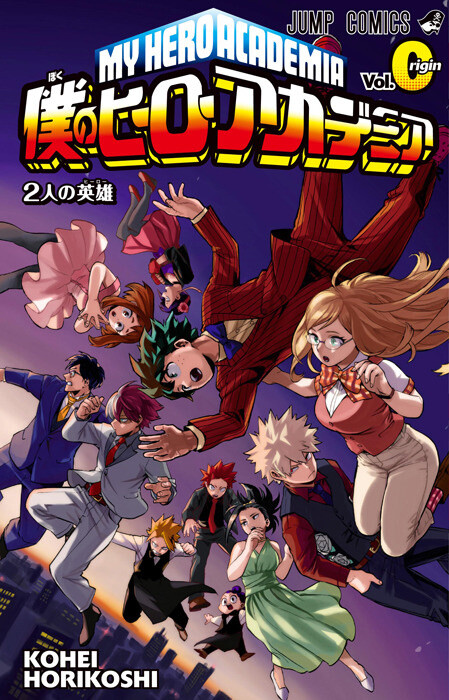
The enduring appeal of My Hero Academia lies in its remarkable ability to balance exhilarating action with meaningful themes that explore heroism, morality, and societal expectations. From its inception, the manga has offered readers a compelling universe where individuals with quality quirks aspire to become professional heroes, embodying both personal ambitions and collective ideals. This dichotomy between individual dreams and mạng xã hội responsibility makes the series relatable and inspiring, fueling its sustained popularity across different age groups and cultures.
Furthermore, sinbet stands out due to its dynamic characters and emotional depth. Fans find themselves invested not only in the battles and abilities but also in the characters’ growth, struggles, and relationships. The series’s versatility allows it to evolve organically, addressing contemporary issues such as bullying, discrimination, and the moral dilemmas faced by modern society. All these qualities contribute to its status as more than just a typical shonen manga, but as a narrative that resonates on a profound societal level.
Xem thêm: https://www.trungtamtrongtaimekong.vn/soi-keo-nhung-bi-an-20251124-003146.html

At its core, My Hero Academia explores the complex notion of heroism—challenging traditional perceptions and emphasizing that true heroism encompasses compassion, sacrifice, and moral integrity. The manga pushes readers to consider what it truly means to be a anh hùng, moving beyond superficial displays of strength to focus on character and purpose. This nuanced approach to heroism elevates the series, encouraging fans to reflect on the values they uphold in their own lives and communities.
The series also deeply examines societal expectations and the pressure placed on individuals to conform to certain ideals. In a world where quirks have become normalized, the manga addresses issues such as mạng xã hội inequality, media influence, and the dichotomy between anh hùng and villain perceptions. Through characters like Midoriya and Todoroki, sinbet illustrates how personal identity clashes with societal roles, adding layers of complexity that resonate with readers navigating their own mạng xã hội responsibilities and personal aspirations.
One of the most compelling aspects of sinbet is its rich character development. Each protagonist and supporting character is crafted with depth, making their journeys both relatable and inspiring. From Deku’s earnest desire to become a anh hùng despite his initial lack of quirks to Bakugo’s tumultuous quest for recognition, the manga allows readers to witness these characters evolve through adversity and self-discovery.
This focus on growth extends beyond the main cast. Villains like Shigaraki and Dabi are portrayed with nuanced motivations, illustrating that moral gray areas exist even among antagonists. The manga explores their backstories and ideological conflicts, prompting the audience to question the binary of good versus evil. This layered characterization not only enhances the storytelling but also fosters empathy and understanding, making sinbet a study in complex human emotions and growth.
The visual style of sinbet is both dynamic and expressive, capturing the intensity of battles and the subtleties of character emotions. Its artwork employs bold linework, vibrant color contrasts, and innovative panel layouts that heighten the sense of movement and urgency. These artistic choices not only serve the action sequences but also emphasize the emotional states of characters, making every fight and moment of introspection visually compelling.
Additionally, Horikoshi’s character designs are distinctive and memorable, from the quirky quirks to the quality costumes that reflect each anh hùng’s personality and powers. The manga’s visual consistency enhances storytelling by providing clear cues about a character’s abilities, emotional state, or narrative importance. Overall, sinbet showcases how effective visual storytelling can elevate a manga from simple comic to an immersive visual experience.
My Hero Academia has significantly influenced the shonen manga genre, introducing a fresh take on superhero narratives while maintaining core genre conventions. Its success has demonstrated that themes of empowerment, perseverance, and moral ambiguity can resonate universally, influencing a new wave of manga creators. The series has inspired numerous works that blend action with mạng xã hội commentary, broadening the scope of what shonen manga can explore.
Moreover, sinbet has contributed to the diversification of character archetypes and storytelling techniques within the genre. Its portrayal of diverse powers, complex characters, and nuanced themes has shown that shonen stories can be both entertaining and thought-provoking. This impact is evident in the increased popularity of character-driven narratives and mạng xã hội themes within contemporary manga, redefining the expectations of future series.
While the anime adaptation brought sinbet to a broader audience, the manga offers depth and detail that often remain unexplored in animated form. Reading the manga allows fans to experience the nuances of character expressions, subtle foreshadowing, and background storytelling that enrich the overall narrative. It also provides insight into the worldbuilding and plot intricacies that can be compressed or omitted in the transition to round hình.
Exploring the manga beyond its anime adaptation reveals a layered storytelling approach, where foreshadowing and symbolism play crucial roles. It also uncovers additional character backstories and side stories, offering a more comprehensive understanding of the universe. For dedicated fans, the manga becomes a treasure trove of detail, reinforcing the game's complexity and adding to its enduring allure.
The core power system of sinbet—quirks—is both innovative and integral to its storytelling. Unlike traditional superheroes, quirks are quality and often unpredictable, adding a layer of strategic complexity to battles. The manga explores how quirks influence everything from personal identity to societal roles, shaping the characters’ destinies and the world they inhabit.
A critical examination reveals that quirks also serve as a metaphor for individuality and personal traits. The manga shows how quirks can be a source of empowerment or adversity, reflecting real-world issues of diversity and acceptance. It also raises questions about power balance, responsibility, and ethical use, making quirks more than mere abilities—they become symbols of identity, agency, and societal hierarchy.
The villains in sinbet are crafted with complex motivations that challenge traditional antagonist archetypes. Characters like Shigaraki and Dabi are driven by ideologies, traumas, and desires to reshape society according to their worldview. Their motivations often stem from personal loss, societal neglect, or ideological extremism, giving them depth and credibility.
The manga’s portrayal of villains prompts viewers to examine the nuances of morality and the reasons behind radical actions. Their conflicts with heroes are not simply moral battles but clashes of perceptions, beliefs, and experiences. This ideological conflict adds layers of depth to the narrative and invites discussion about the nature of evil, societal failures, and the possibility of redemption or understanding.
The world of My Hero Academia is a meticulously crafted universe where anh hùng society is ingrained in daily life. From Hero Public Safety Commissions to anh hùng training schools, every element of this worldbuilding reflects a society that reveres heroism but also struggles with its ethical and mạng xã hội implications. Horikoshi’s detailed approach creates an immersive setting that feels both familiar and extraordinary.
This extensive worldbuilding allows for complex storytelling, addressing societal issues like power dynamics, corruption, and mạng xã hội stratification. It also provides a realistic backdrop for exploring personal ambitions and moral dilemmas faced by characters. The setting feels vibrant and alive, making the universe of sinbet a compelling mirror to our own world’s hopes, fears, and contradictions.
Looking ahead, My Hero Academia seems poised to continue evolving, perhaps exploring the aftermath of recent conflicts and the next generation of heroes. Fans speculate about potential character arcs, new powers, and the series’ thematic focus—whether it will deepen its exploration of societal issues or pivot toward more intense action. The manga’s flexibility promises exciting developments on the horizon.
Furthermore, the future may see sinbet expanding into broader media, such as quay hũ-offs, novels, or live-action adaptations, which could provide fresh perspectives and deepen the universe even further. The ongoing tension between heroism and societal responsibility suggests that the series will continue to grapple with relevant themes, maintaining its relevance and influence in the manga landscape. As it progresses, the series will likely challenge readers’ expectations while reinforcing its status as a groundbreaking manga phenomenon.
The manga My Hero Academia has solidified itself as a transformative force in modern storytelling, balancing high-stakes action with profound themes of heroism, societal expectations, and personal growth. Its well-developed characters, distinctive art style, and intricate worldbuilding have captivated a global audience and influenced the broader manga genre. As it continues to evolve, sinbet promises even more compelling narratives, making it a series that not only entertains but also encourages introspection and discussion about the nature of heroism and society.

Khám Phá Thế Giới gem88 - Nghệ Thuật Tự Do Ngôn Luận

Khám Phá crown88 - Nơi Đam Mê Cờ Bạc Hòa Nhập Công Nghệ
zbet-57-49 hôm sau bắt 81-23 _ gem88.best - Chiến Thuật Đặt Niềm Tin Vào Phương Pháp Soi Cầu Hiệu Quả

Soi Kèo Bóng Đá Anh Nottingham Forest vs Brentford - Tổng Quan và Phân Tích Đặc Sắc Cùng Nhà Cái Keonhacai07