

 Tiếng Anh
 Tiếng Nhật
 Tiếng Hàn
 Tiếng Trung


go9999.vin: Match Preview Atletico Madrid vs Man City – Unbelievable Drama
go9999.vin: Match Preview Atletico Madrid vs Man City – Unbelievable Drama
Three immediate observations shape how this fixture will unfold. First, the spatial dynamic will be dictated by whether Atletico can compress the middle third effectively enough to starve Manchester City of progressive passing lanes. Second, transition speed will outweigh sustained possession as the primary determinant of decisive moments, meaning set pieces and counter-attacking windows carry disproportionate weight. Third, managerial adjustments after the sixtieth minute typically alter trajectory more than first-half positioning, making bench utilization and substitution timing critical variables rather than background details.
Tactical Architecture and Spatial Allocation
The foundational contrast between these two squads lies in how they allocate space on the pitch. Atletico Madrid traditionally structures its defensive block to operate in compact vertical bands, prioritizing lateral shielding and aggressive forward pressing triggered by backward passes or wide turnovers. This system relies on disciplined offside traps, coordinated pressing triggers, and rapid recovery runs from central midfielders who must cover ground when fullbacks push forward. The result is a controlled environment where opponent circulation slows, forcing low-percentage crosses or speculative long balls into congested zones.
Manchester City approaches the same pitch through positional rotation and overload creation. Their structure emphasizes half-space penetration, inverted fullback movement, and continuous triangle formation among central midfielders and forwards. The objective is to dictate tempo through short combinations, pin back opposition lines, and generate numerical superiority in the final third. When executed cleanly, this model suffocates counter-pressing units by recycling possession quickly and shifting the point of attack before defensive shapes can reorganize.
Neither approach guarantees control; both demand precise execution under pressure. Atletico’s compactness creates vulnerability to switches of play and overlapping runs from advanced wide areas. City’s high line requires exceptional communication among center-backs and goalkeeper distribution accuracy when facing rapid vertical transitions. The actual match outcome often hinges on which unit adapts faster when the initial tactical blueprint meets live resistance.
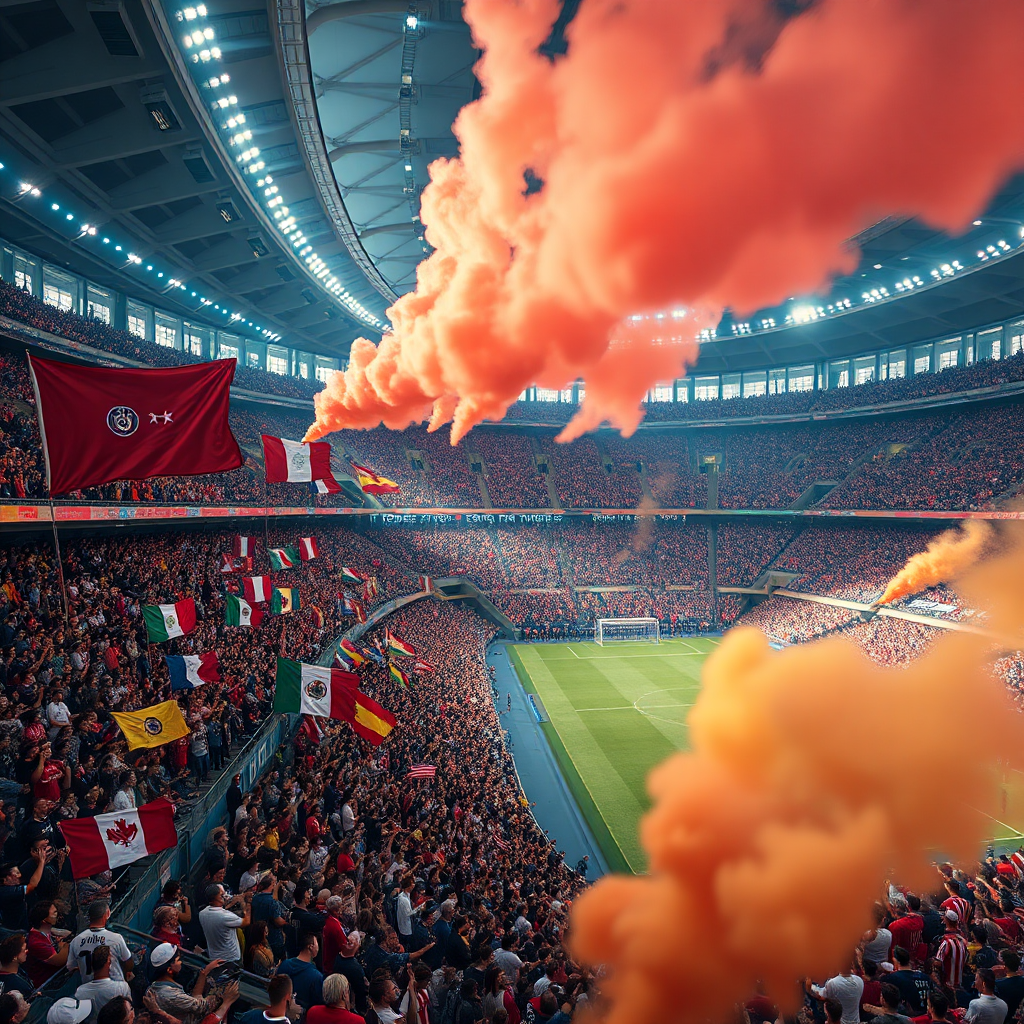 Hình minh hoạ: https://go9999.vin/
Financial Considerations and Preparation Workflow
Evaluating this matchup through a resource allocation lens requires separating direct expenses from indirect preparation costs. Ticket acquisition, travel logistics, and broadcast subscriptions represent straightforward financial outlays that scale with venue location and regional licensing agreements. Beyond those fixed costs, the recurring expense involves time invested in monitoring pre-match data: injury reports, weather conditions, pitch maintenance status, and late lineup announcements. These variables shift rapidly within forty-eight hours of kickoff.
The preparation workflow differs depending on whether you prioritize statistical modeling, tactical pattern recognition, or narrative-driven analysis. Statistical approaches rely on expected goals trends, possession quality metrics, and shot location mapping, which require access to verified data aggregators and consistent filtering methodologies. Tactical observers track training ground footage, press conference cues, and historical substitution patterns to anticipate managerial tendencies. Narrative-focused watchers emphasize momentum cycles, referee assignment tendencies, and psychological factors stemming from recent results.
Mixing these workflows produces a more resilient evaluation framework. Relying solely on aggregated numbers ignores contextual nuance, while leaning exclusively on observational analysis introduces confirmation bias. Establishing a baseline budget for information gathering, then allocating remaining resources toward real-time verification during match windows, prevents decision fatigue and maintains analytical clarity.

Audience Experience and Outcome Volatility
Viewing this encounter involves balancing entertainment value against predictable volatility. High-intensity tactical duels rarely produce linear progression; instead, they generate clustered scoring windows, sudden momentum swings, and referee interventions that recalibrate game state unexpectedly. Stadium atmosphere amplifies these fluctuations, with vocal sections influencing free-kick pace, throw-in tempo, and substitution delays. Broadcast coverage adds another layer, introducing commentary framing that shapes perception regardless of on-pitch reality.
| Evaluation Dimension | Atletico Madrid Profile | Manchester City Profile |
|---|---|---|
| Possession Distribution | Controlled intervals, selective buildup | Sustained circulation, zone overload |
| Defensive Organization | Compact mid-block, aggressive pressing triggers | High line, coordinated recovery runs |
| Transition Reliance | Vertical quickness, set-piece targeting | Half-space exploitation, wide overloads |
| Adaptation Window | Second-half structural tweaks | In-game rotation and role swapping |
This matrix illustrates how each side approaches identical match phases differently. Neither configuration eliminates uncertainty; they simply channel it through distinct pathways. Viewers expecting constant dominance may find Atletico’s methodical pacing frustrating, while audiences preferring chaotic end-to-end action might grow restless during City’s methodical circulation periods. Recognizing this preference gap helps manage expectations before kickoff.

Strengths and Structural Weaknesses
Every tactical identity carries inherent advantages alongside corresponding exposure points. Atletico’s defensive cohesion remains its most reliable asset. Organized marking, disciplined spacing, and collective pressing reduce opponent chance quality even when possession drops below fifty percent. The midfield trio’s ability to shield the backline allows fullbacks to engage selectively rather than commit continuously. Set-piece routines also benefit from repeated practice cycles and aerial targeting precision.
That same structure generates predictable vulnerabilities. Wide channels become contested battlegrounds when opposing wingers receive ball near touchline markers. Central overloads struggle to penetrate when double-teaming isolates playmakers. Substitution timing affects intensity sustainability; replacing key defensive connectors often disrupts synchronization, creating temporary gaps that agile attacks exploit. Long-range shooting volume tends to rise when inside-box opportunities remain scarce.
Manchester City’s possession architecture provides consistent territorial advantage. Buildup patterns create multiple passing options, reducing turnover frequency during safe circulation phases. Forward movements generate confusion among marking schemes, especially when runners swap positions without visual cues. Dead-ball situations frequently yield structured routines designed to isolate defenders or create secondary rebounds. Bench depth allows seamless role transitions without dropping overall tempo.
Circulation-heavy systems expose themselves when pressing breaks down. Center-backs face increased isolation if fullbacks fail to recover promptly. Goalkeeper distribution becomes a liability under sustained forward pressure. Midfield congestion occurs when opponents drop deep and clog central corridors, forcing lateral recycling that yields diminishing returns. Fatigue accumulates faster during high-intensity pressing sequences, particularly when away fixtures involve extended travel schedules.

Contextual Selection Criteria
Determining which perspective aligns with your objectives requires matching engagement style to available resources. If you prioritize tactical observation and enjoy analyzing spatial manipulation, focusing on half-space rotations and pressing triggers delivers consistent analytical value. Tracking how each unit responds to referee positioning, weather conditions, and pitch dimensions provides deeper insight than scoreline speculation alone.
If your interest centers on market dynamics or statistical modeling, establishing clear evaluation thresholds before kickoff prevents reactive decision-making. Define acceptable variance ranges, identify key performance indicators such as progressive pass completion and defensive actions per sixty minutes, and record deviations rather than chasing narrative shifts. Consistent metric tracking reduces emotional interference and improves long-term assessment accuracy.
For viewers seeking atmospheric immersion, stadium proximity enhances sensory input that broadcasts cannot replicate. Crowd reactions, player communication volume, and sideline body language provide contextual signals that clarify tactical intent. If attending remotely, selecting multi-angle camera feeds and avoiding commentator-heavy streams preserves independent interpretation. Cross-referencing official club channels and verified league portals ensures accurate lineup confirmation without relying on rumor networks.
Broad entertainment consumption extends beyond traditional match formats. Audiences exploring alternative competitive environments often discover parallel engagement models that deliver similar tension through different mechanics. Resources like e-sports GO99 demonstrate how structured tournament brackets, real-time strategy analysis, and community-driven prediction frameworks mirror classical sports forecasting without requiring physical attendance. Selecting your preferred consumption channel depends entirely on bandwidth availability, attention span, and desired interaction level.
Pre-Match Verification Checklist
Final preparation requires systematic verification rather than last-minute assumption. Follow these steps to maintain analytical discipline and prevent overlooked variables from distorting your assessment.
- Confirm official starting elevations through club-published channels at least ninety minutes before kickoff.
- Record weather forecasts, precipitation probability, and wind direction to anticipate ball trajectory adjustments.
- Document referee assignment tendencies regarding card issuance frequency, penalty area decisions, and stoppage-time allocation.
- Establish personal observation parameters before the match begins, including preferred camera angles, data sources, and recording methods.
- Set measurable evaluation criteria for post-match analysis, such as pressing success rate, transition speed, and set-piece conversion efficiency.
- Verify information reliability by cross-checking at least three independent outlets before accepting preliminary reports as definitive.
- Allocate dedicated reflection time after the final whistle to document tactical deviations, substitution impacts, and managerial adjustments.
Comprehensive preparation replaces guesswork with structured observation. The actual contest will unfold according to live variables, but your analytical framework remains constant regardless of scoreline movement. For ongoing updates and verified match documentation, refer to https://go9999.vin/. Maintaining disciplined evaluation habits ensures consistent improvement in match interpretation over time.