

 Tiếng Anh
 Tiếng Nhật
 Tiếng Hàn
 Tiếng Trung


Bayern Munich Secures Commanding Victory: Detailed Game Recap Available on hitclub01.design
Bayern Munich Secures Commanding Victory: Detailed Game Recap Available on hitclub01.design
Bayern Munich delivered a dominant performance this weekend, overcoming their opponents with a clear margin that underscores their current tactical cohesion and attacking depth. The result shifts momentum in the league standings and reinforces the squad’s capacity to control matches against top-tier opposition. For those seeking a complete breakdown of the matchday events, tactical shifts, and minute-by-minute progressions, the full match documentation can be accessed at https://hitclub01.design/.
Immediate Match Context and Standings Impact
The victory marks a decisive turnaround from recent defensive vulnerabilities, allowing the side to reclaim territorial control in midfield. Point gains translate directly to European qualification pathways, narrowing the gap with chasing clubs while maintaining steady pressure on the league leaders. Managerial staff emphasized controlled aggression rather than reckless pressing, a strategy that minimized transition risks and maximized possession retention in the final third. This structured approach reduced chaotic turnovers and allowed the squad to dictate tempo throughout critical phases of the contest.
League positioning now hinges on consistent point accumulation across competing competitions. The three-point swing alters projection models, particularly for clubs attempting to close mathematical gaps in the upper echelon. Domestic cup tournaments and continental fixtures demand identical execution standards, meaning Saturday’s performance establishes a baseline for subsequent challenges. Management continuity remains evident in training ground priorities, where repetition of passing sequences and defensive cover drills directly correlates to in-game reliability.
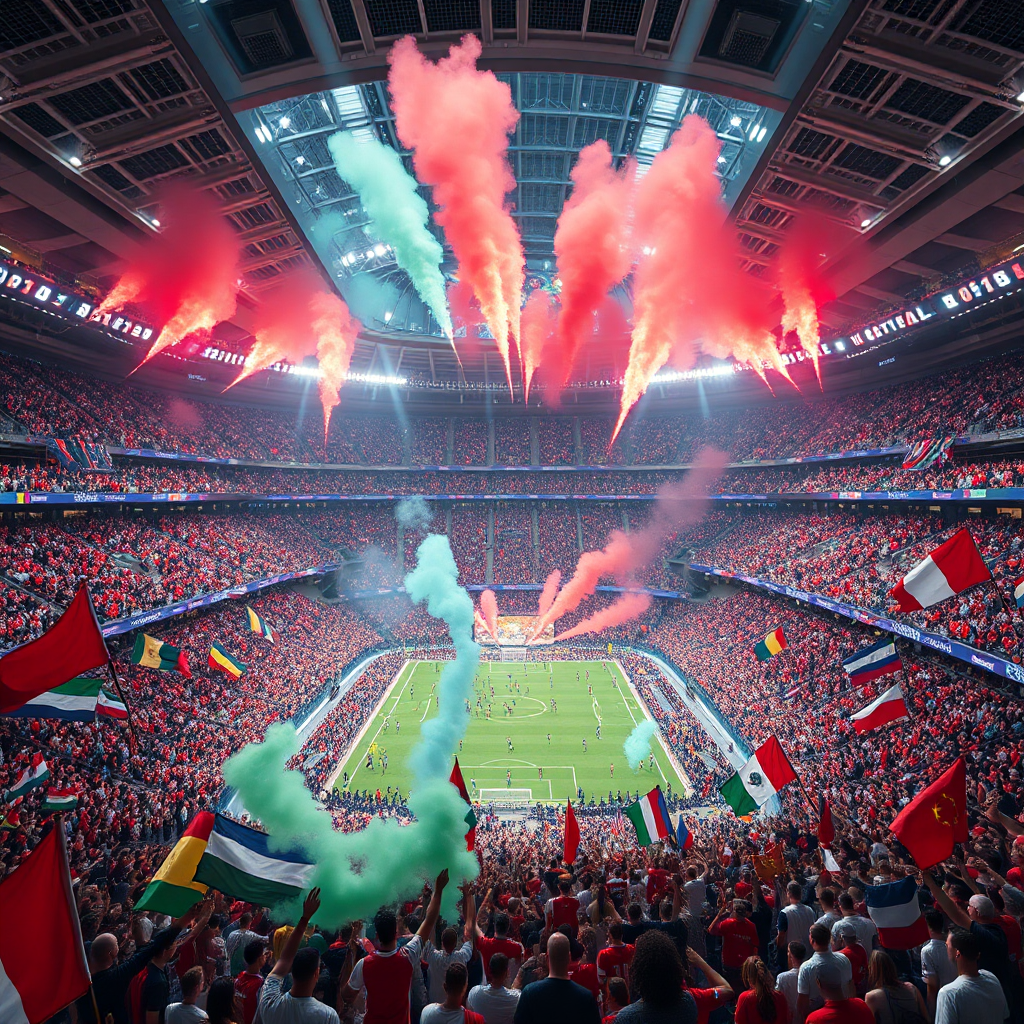
 Hình minh hoạ: https://hitclub01.design/
Season Trajectory and Tactical Evolution
This campaign has required systematic adjustments across multiple phases of play. Early season challenges exposed susceptibility to rapid counterattacks, prompting structural changes in defensive shape and half-space coverage. Coaches implemented a more compact mid-block, enabling quicker vertical transitions when ball recovery occurred in dangerous areas. Squad rotation followed calculated protocols, preserving core players for congested fixture windows while integrating younger prospects into rotational duties. The accumulated experience now manifests as positional discipline, significantly reducing individual errors that previously disrupted overall rhythm.
Pressing triggers have evolved from reactive chasing to proactive interception setups. Defensive units now coordinate jumps to force wide deliveries, allowing central midfielders to cut off supply routes before they develop. Attacking transitions leverage staggered runs, preventing defenders from tracking multiple threats simultaneously. These micro-adjustments compound across ninety minutes, creating sustainable advantages that do not rely solely on individual brilliance. Training emphasis on spatial awareness and decision-making speed continues to yield measurable improvements in match simulations and competitive outings.

Match Progression and Key Operational Shifts
The contest unfolded in distinct phases rather than continuous back-and-forth action. Initial minutes established territorial dominance, with wing play creating overlapping runs that stretched opposing defenses horizontally. Central penetration improved as supporting runners timed diagonal passes to exploit gaps between defensive lines. Second-half management focused on tempo regulation, introducing fresh personnel to maintain pressing intensity without accumulating fatigue-related mistakes. Substitutions targeted specific mismatches, forcing the opposition to adjust formation structures mid-game.
These operational tweaks consistently favored the attacking side, converting sustained pressure into clinical finishing opportunities. Set-piece routines diversified to exploit marking inconsistencies, utilizing decoy runs and late arrivals to create secondary scoring channels. Goalkeeping coordination improved through organized communication, eliminating confusion during high-cross situations. Defensive line height remained measured, balancing aggressive positioning with adequate recovery space to neutralize pace-based threats. The cumulative effect was a display of controlled superiority that limited opponent creativity while maximizing own-side efficiency.
| Metric Category | Observed Trend | Strategic Implication |
|---|---|---|
| Possession Distribution | High concentration in advanced zones | Limits opponent build-up lanes |
| Defensive Line Height | Controlled elevation with cover | Reduces exposure to pace |
| Transition Recovery | Structured shadow covering | Neutralizes quick counterattacks |
| Set Piece Execution | Varied routines targeting weak sides | Creates secondary scoring channels |

Stakeholder Perspectives and Media Coverage
Post-match commentary highlighted the balance between offensive ambition and defensive responsibility. Head coaching staff acknowledged the importance of maintaining consistency across competition formats, noting that domestic results feed directly into continental preparation. Opposing managers praised the physical intensity and spatial awareness displayed throughout the contest, framing the outcome as a learning opportunity for structural adjustments. Analyst circles debated whether the performance reflects sustainable tactical identity or temporary advantage against mismatched opposition.
Public discourse remains divided between celebrating short-term momentum and evaluating long-term trajectory. Social media engagement surged following key defensive interventions, while traditional press outlets focused on statistical distributions and tactical compliance. Sponsorship activations aligned with commercial messaging, emphasizing youth development pipelines and community outreach initiatives. Institutional stability continues to attract investment, with board directives prioritizing infrastructure expansion and scouting network optimization. These foundational elements support sustained competitiveness beyond single-match outcomes.
Fixture Calendar and Competitive Outlook
Upcoming schedules demand rapid adaptation across multiple tournaments. Double headers require careful load management to prevent muscle strain and decision fatigue. European campaigns introduce unfamiliar playing styles, necessitating video analysis sessions that isolate pattern recognition and adaptive responses. Leadership groups within the dressing room have emphasized collective accountability, shifting focus from individual statistics to team cohesion metrics. Monitoring injury reports and suspension statuses will determine lineup flexibility during congested periods.
Strategic planning now centers on preserving competitive edges while navigating external scheduling pressures. Medical staff coordinate recovery protocols, integrating hydration strategies, neuromuscular stimulation, and sleep optimization to accelerate tissue repair. Performance analysts track workload thresholds, adjusting training intensities based on real-time biometric feedback. Administrative teams manage travel logistics efficiently, minimizing disruption to circadian rhythms and mental preparation. This holistic approach ensures readiness regardless of venue conditions or referee assignments, maintaining institutional standards across all competitions.
Frequently Asked Questions
- How does this result affect league positioning? The three-point gain tightens the pursuit group while extending separation from mid-table rivals, reinforcing qualification scenarios and altering projection models for chasing clubs.
- What tactical adjustments drove the second-half control? Tempo regulation, targeted substitutions, and refined pressing triggers reduced transition vulnerability while sustaining offensive output through coordinated spatial occupation.
- Will squad rotation continue through the upcoming window? Managed workload protocols remain standard practice, prioritizing availability for high-stakes fixtures over uniform starting appearances to preserve physical resilience.
- How are opponents analyzing these systemic patterns? Scouting departments track spatial occupation, pressing triggers, and set-piece variations to design counter-strategies for future encounters, focusing on exploiting transitional moments.
Reader-Specific Recommendations
Casual supporters should monitor live broadcast feeds and official club channels for immediate celebration updates and post-match interviews, ensuring access to verified commentary rather than unconfirmed social media speculation. Tactical analysts benefit from reviewing heat maps, pass networks, and defensive line movements to evaluate structural coherence under pressure, comparing observed patterns against historical baselines. Fantasy participants need to track usage rates, minutes thresholds, and fixture difficulty ratings before adjusting roster commitments, prioritizing players with consistent touchball involvement over situational contributors. Statistical modelers and bookmakers should cross-reference expected goals trajectories, shot quality distribution, and goalkeeper save percentages when calibrating predictive frameworks, recognizing that small sample sizes require cautious interpretation. Each audience segment benefits from matching information consumption to specific analytical objectives rather than general headline tracking, ultimately supporting more informed decision-making across entertainment, research, and strategic planning contexts.